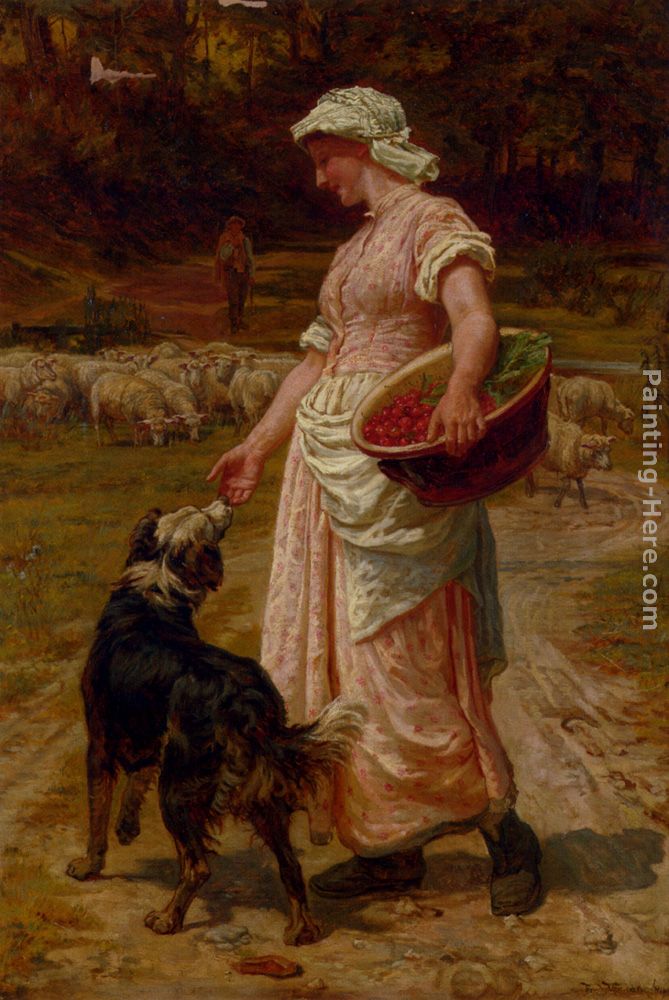
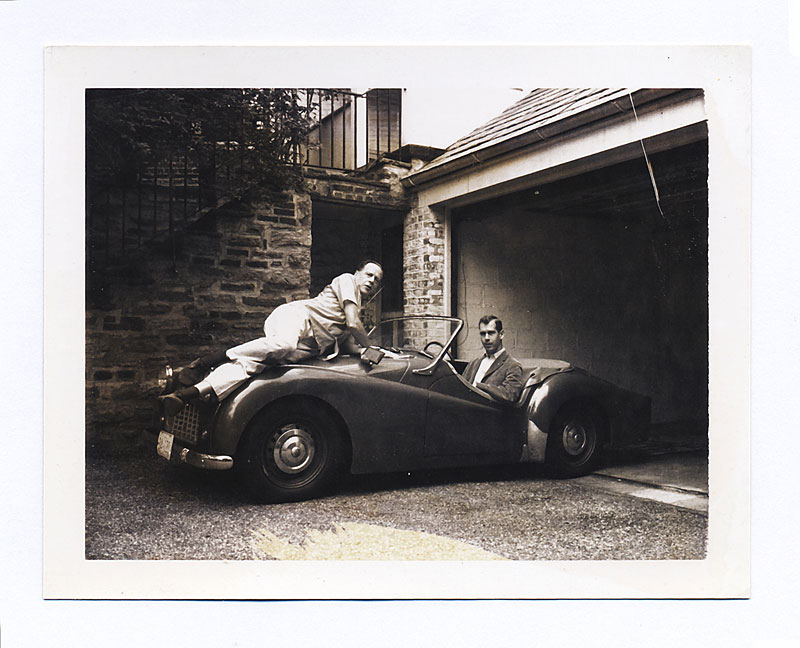
Any extension of man's sensory life such as the dog, or the motor car, imprints numerous clichés on any language, extending its range of probe. All media of communications are clichés serving to enlarge man's scope of action, his patterns of association and awareness. These media create environments that numb our powers of attention by sheer pervasiveness. The limits of our awareness of these forms does not limit their action upon our sensibilities. Just as the rim-spin of the planet arranges the components of high- and low-pressure areas, so the environments created by linguistic and other extensions of our powers are constantly creating new climates of thought and feeling. Since the resulting symbolic systems are numerous, they are in perpetual interplay, creating a kind of sound-light show on an ever-increasing scale.
Marshall McLuhan
From Cliché to Archetype
1970
In the spring of 1928 when the Swiss art historian Carola Giedion-Welcker first visited James at his flat in Paris, their conversation included a highly suggestive interchange about technology. She reports that Joyce asked, "Tell me what sort of an idea do you think the word 'automobile' would have aroused in the middle ages," and without waiting for a reply, he continued, "Certainly only that of a divine being, a self mover, thus a god." ... Recollecting that original conversation, she observes that there is a cultural project central to the Wake by which, "from a key word and the conceptions it aroused, Joyce wanted to crystalize a cultural state, or better yet the cultural crisis of a century. For god and technology had moved critically close to each other.
Donald Theall, James Joyce's Techno-Poetics, 1997
Nobody wants a motorcar until there are motorcars, and nobody is interested in TV till there are TV programs. This power of technology to create its own world of demand is not independent of technology being first an extension of our own bodies and senses.
Once we have surrendered our senses and nervous systems to the private manipulation of those who would try to benefit from taking a lease on our eyes and ears and nerves, we don't really have any rights left. Leasing our eyes and ears and nerves to commercial interests is like handing over the common speech to a private corporation, or like giving the earth's atmosphere to a company as a monopoly.
Marshall McLuhan, Understanding Media, 1964
If you speak of the car as a medium, you are no further ahead because the car is no more than a figure detaching itself from a service environment of expressways, oil companies, automobile assembly lines, etc. The real medium, in the case of the car, is the totality of services it creates, or, better yet, the huge change that it creates in the human community. The car as the figure is not the message.
For North Americans, the hidden ground, the real message, of the car is what it does with our sense of privacy. The effect is different in Europe, but the car for us has been largely created to insure our privacy; in other words, the car's message is privacy, intimacy, and solitude. Privacy is made possible by the large network of highways, the biggest architectural structure in the history of the world which, by contrast, makes the pyramids and the Great Wall of China seem small. The car itself is no more than a figure in this service environment.
Marshall McLuhan, The Medium and the Light, Second Conversation with Pierre Babin, 1977