Although, to be sure, there are many positive aspects of new and emerging technologies, I am not the best person to answer your question. I have concentrated my attention on the possible negative consequences, mostly because everyone else seems to speak about the advantages technology will bring. Someone needs to mention what may be lost. Of course, one of the problems is that what I would judge to be a negative consequence, someone else might see as a positive consequence. For example, telephones in automobiles seem to me a very bad idea. So does spending a lot of hours "communicating" on the Internet when one could use that time reading Cervantes' Don Quixote.
--Neil Postman, 1996, in response to the question:
What are the positive effects of new and emerging technologies? Are there ways to maximize the benefits of the Internet and e-mail while minimizing the possible negative effects on society?
See the rest of his answers here: http://www.pbs.org/newshour/forum/january96/postman_1-17.html
Sunday, October 31, 2010
Thursday, October 28, 2010
Entering Through the Back Door
Here is a fragment of an interview with Marshall McLuhan by Nina Sutton in 1975, in which they discuss his conversion to Catholicism. Enjoy!
This clip is made available by the Library and Archives of Canada at the following link:
via: Read Schuchardt
The End of Education, pt. II
Education plays, and will continue to play, a much more important part in government than physical and exterior force. Force is a passing and precarious thing, whereas to get inside a person' mind and change his very personality is the effective way of reducing him and making him yours. Merely to chain him up like a dog or a slave is meaningless. To kill him is equally meaningless. It is by taking him when he is very young, and educating him, that you can secure him to yourself.
--Wyndham Lewis, The Art of Being Ruled, 1926
Monday, October 25, 2010
Grammar and the Laws of Media
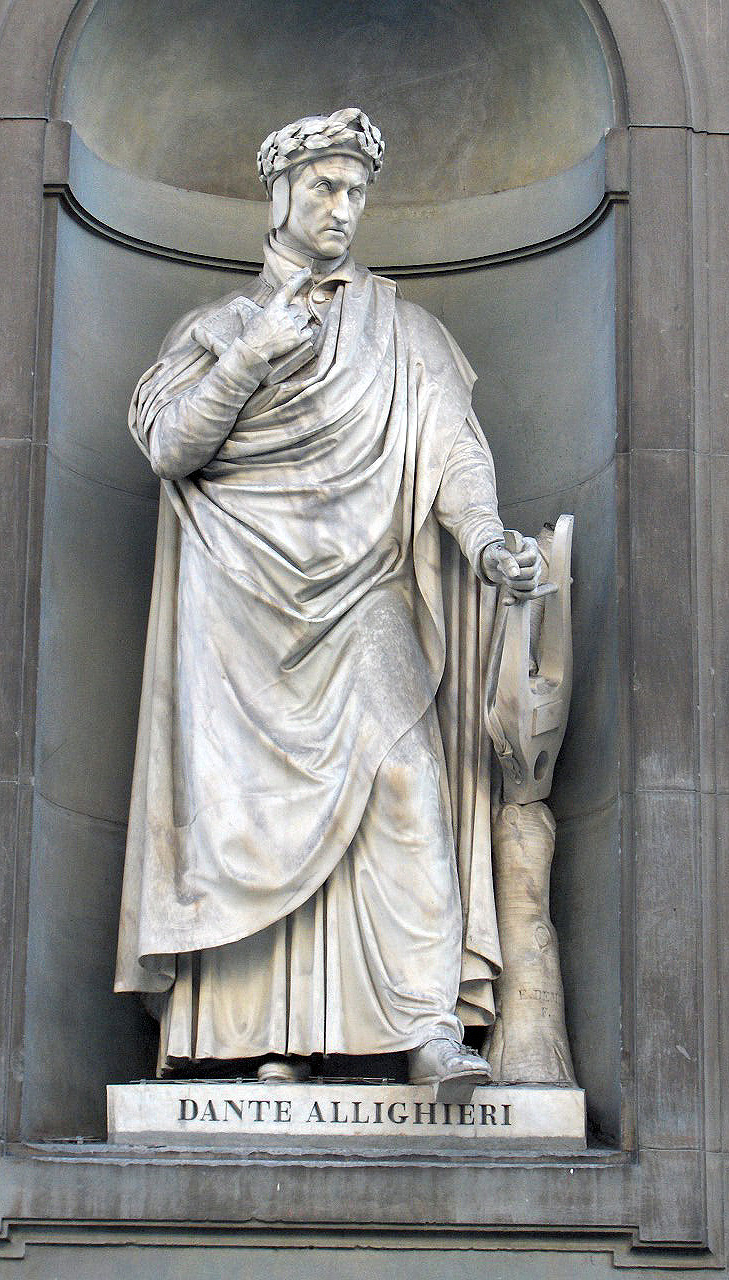
The very events of history are a gigantic and complex statement to which the methods of grammatical exegesis are applicable; and this point of view is as helpful for the understanding of Dante as of Milton, not to mention subjects of greater extent.
Marshall McLuhan, The Classical Trivium, 2006
Saturday, October 23, 2010
Wednesday, October 20, 2010
On Aphorism
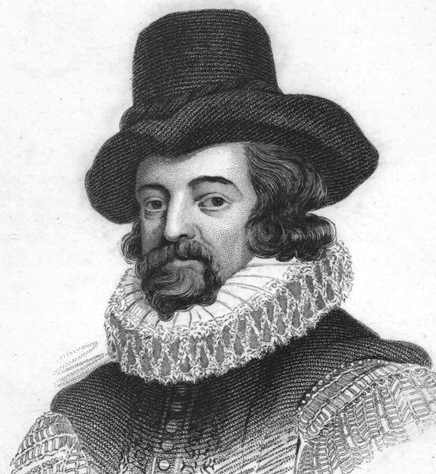
But the writing in aphorisms hath many excellent virtues, whereto the writing in Method doth not approach. For first, it trieth the writer, whether he be superficial or solid: for Aphorism, except they should be ridiculous, cannot be made but of the pith and heart of sciences; for discourse of illustration is cut off; recitals of examples are cut off; discourse of connexion and order is cut off; descriptions of practice are cut off. So there remaineth nothing to fill the aphorisms but some good quantity of observation: and therefore no man can suffice, nor in reason will attempt, to write aphorisms, but he that is sound and grounded. ... And lastly, Aphorisms, representing a knowledge broken, do invite men to inquire farther; whereas Method, carrying the show of a total, do secure men, as if they were at farthest.
Francis Bacon, The Advancement of Learning, 1605
Monday, October 18, 2010
On Writing and Reading
Subscribe to:
Posts (Atom)